Elbow, Wrist and Hand Trauma Surgeries in Nagpur
Advanced surgical care for complex upper limb injuries, restoring strength, mobility, and function with precision and expertise.
What are Elbow, Wrist, and Hand Trauma Surgeries
Elbow, wrist, and hand trauma surgeries refer to surgical procedures required to address severe injuries to the bones, joints, tendons, ligaments, nerves, and blood vessels of the upper extremity.
These surgeries often involve complex techniques due to the intricate anatomy and functional importance of these areas. Complex trauma surgeries are necessary when injuries are severe, involve multiple structures, or are associated with significant soft tissue damage.
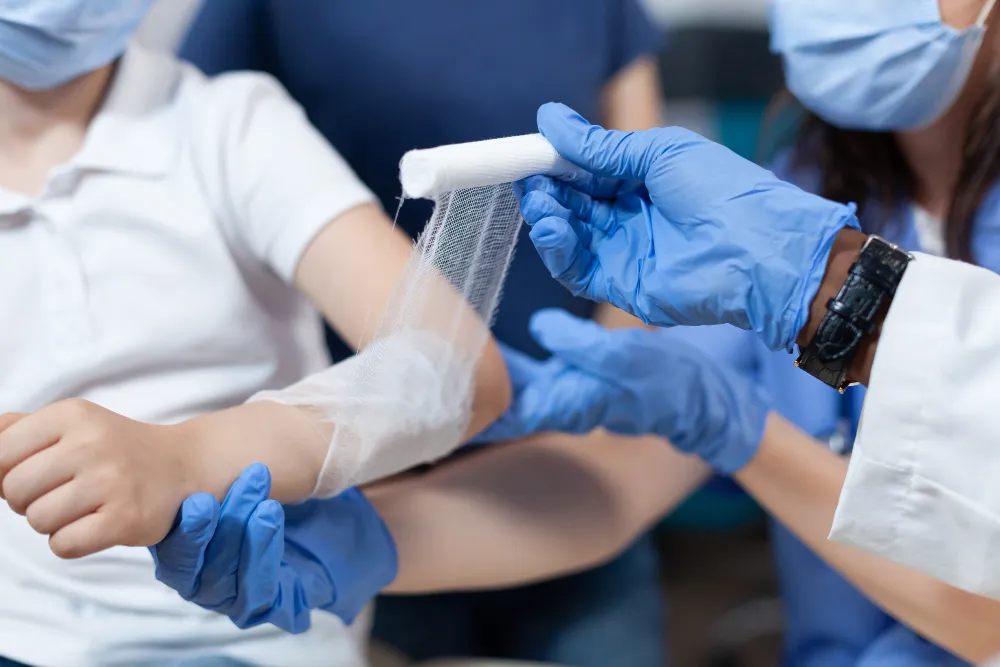
Conditions Requiring Complex Trauma Surgeries for the Elbow, Wrist, and Hand
Complex trauma surgeries for the elbow, wrist, and hand are necessary in the following conditions:
- Multiple and Comminuted Fractures: Fractures where the bones are broken into several pieces, making simple fixation challenging.
- Displaced Fractures: Fractures where bone fragments have shifted out of alignment, requiring precise repositioning and stabilization.
- Fracture-Dislocations: Injuries involving both fractures and joint dislocations, which require reduction and stabilization.
- Open Fractures: Fractures where the bone breaks through the skin, increasing the risk of infection and necessitating urgent surgical debridement and fixation.
- Tendon and Ligament Injuries: Severe injuries to tendons and ligaments require surgical repair or reconstruction.
- Nerve Injuries: Trauma involving damage to peripheral nerves, necessitating surgical repair or grafting.
- Vascular Injuries: Injuries involving major blood vessels, requiring surgical repair to restore blood flow and prevent tissue death.
- Polytrauma Patients: Patients with multiple injuries involving other body systems (e.g., head, chest, abdomen), requiring coordinated multi-system trauma care.
- Non-union and Malunion: Fractures that have not healed properly or have healed in a misaligned position, requiring corrective surgery.
Complete Procedure of Complex Trauma Surgeries for Elbow, Wrist, and Hand
These surgeries follow a step‑by‑step approach to stabilize the patient, repair damaged structures, and restore function to the upper limb. Precision, timely intervention, and multidisciplinary coordination are key to achieving the best outcomes.
Preoperative Assessment and Planning
- Initial Evaluation: Assessment of the patient’s overall condition, including vital signs and identification of other injuries.
- Imaging Studies: X‑rays, CT scans, or MRI to determine the extent of fractures and associated soft tissue damage.
- Stabilization: Immediate measures such as fluid resuscitation, blood transfusions, and immobilization of the injured limb.
- Multidisciplinary Planning: Collaboration among orthopedic surgeons, trauma surgeons, vascular surgeons, and other specialists to develop a comprehensive surgical plan.
Surgical Procedure
- Anesthesia: General or regional anesthesia is administered based on the complexity and duration of the surgery.
- Debridement and Cleaning (for Open Fractures): Removal of dead tissue and contaminants to reduce infection risk.
Fracture Fixation
Fracture fixation for elbow, wrist, and hand trauma involves realigning and stabilizing broken bones, repairing damaged soft tissues, and restoring blood flow and nerve function. The goal is to ensure proper healing, preserve mobility, and prevent long‑term disability.
- Reduction: Realignment of bone fragments.
- Internal Fixation: Stabilization using screws, plates, rods, or pins.
- Elbow Fractures: May involve fixation of the distal humerus, proximal radius, or ulna.
- Wrist Fractures: Often treated with volar or dorsal plates for distal radius fractures.
- Hand Fractures: Involves fixation of metacarpal or phalangeal fractures.
- External Fixation: Temporary stabilization using external fixation devices, especially in cases with extensive soft tissue damage.
- Tendon and Ligament Repair: Surgical repair or reconstruction of damaged tendons and ligaments.
- Nerve Repair: Surgical repair of damaged nerves, which may include direct suturing or nerve grafting.
- Vascular Repair: Surgical repair of damaged blood vessels to restore circulation.
- Wound Closure: Closure of surgical incisions and application of dressings.
Postoperative Care and Rehabilitation
Postoperative care ensures safe healing, prevents complications, and helps patients regain full function of the elbow, wrist, or hand. A tailored rehabilitation plan is essential for restoring strength, mobility, and fine motor skills.
Monitoring and Management
- Close observation for infection, blood clots, and other complications.
- Pain control and antibiotics when necessary.
Physical Therapy
- Early initiation of exercises to restore mobility, strength, and function.
- Customized rehabilitation programs based on injury type and severity.
Follow‑Up
- Regular appointments to track healing and detect any issues early.
- Additional surgeries may be needed for hardware removal or further reconstruction.
Dr. Manoj Pahukar specializes in complex trauma surgeries for the elbow, wrist, and hand, for the elbow, wrist, and hand are critical in managing severe and multifaceted injuries to the upper extremity. These procedures aim to restore function, prevent complications, and improve the overall quality of life for patients. The success of these surgeries depends on timely intervention, meticulous surgical technique, and comprehensive postoperative care and rehabilitation.
Regain Full Use of Your Elbow, Wrist & Hand
Expert surgical care in Nagpur to restore strength, mobility, and function after complex upper limb injuries.
Frequently Asked Questions
How soon should surgery be done after a severe upper limb injury?
Ideally within the first few days once the patient is stable, to prevent complications and improve recovery.
Will I regain full movement after surgery?
Most patients recover good function with proper surgery and rehabilitation, though results vary by injury severity.
How long will I need to wear a cast or splint?
Usually for a few weeks, depending on the type of fracture and healing progress.
Can nerve or tendon injuries heal completely?
Many recover well with timely surgical repair and targeted rehabilitation.
Are implants like plates or screws permanent?
What precautions should I take after surgery?
Avoid heavy lifting, follow your rehab plan, and attend all follow‑up appointments.